How to keep your dishwasher clean
Has your dishwasher started smelling unpleasant lately? Maybe your glasses are coming out cloudy, your plates still have bits of food stuck on them, or the machine just doesn’t seem to clean as well as it used to.
The good news is that most dishwasher problems are caused by simple buildup — and regular cleaning can make a huge difference.
At Wanaka Plumbing & Gas, we help homeowners across Wanaka keep their kitchens running smoothly. Here’s our easy step-by-step guide to cleaning your dishwasher and helping it perform at its best.
Why Cleaning Your Dishwasher Matters
Even though your dishwasher cleans dishes every day, the appliance itself still collects:
Grease
Food particles
Soap residue
Mineral deposits
Moisture buildup
Over time, this can lead to unpleasant smells, blocked filters, poor drainage, and dishes that never seem fully clean.
A quick maintenance routine every few weeks can help extend the life of your dishwasher and improve its performance.
Step 1: Empty the Dishwasher and Inspect Inside
Start by removing all dishes, trays, and utensils.
Once empty, check inside the machine for anything that shouldn’t be there, including:
Food scraps
Broken glass
Labels or paper
Grease buildup
Debris near the drain
Also inspect the spray arms to make sure nothing is blocking the water jets.
This simple first step often solves minor performance issues straight away.
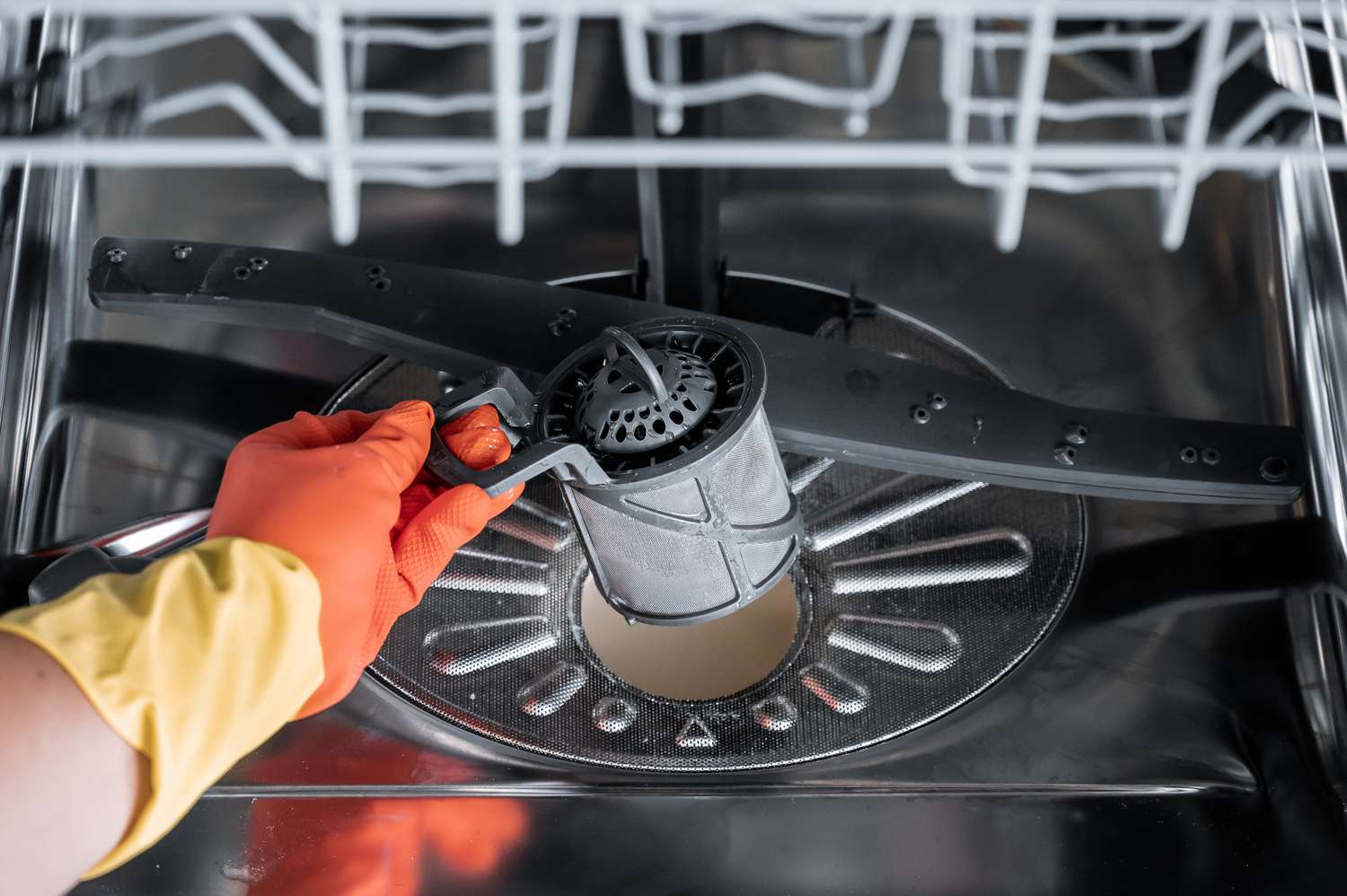
Step 2: Clean the Dishwasher Filter
The filter is one of the most important parts to clean regularly.
Most dishwasher filters are located at the bottom of the machine and can be removed by twisting them out.
To clean the filter:
Remove the filter carefully
Rinse it under warm water
Use a soft brush or old toothbrush to remove grease and grime
Reinstall it securely
A dirty filter is one of the most common causes of bad smells and poor washing performance.
Step 3: Wipe Down Seals and Edges
Dishwashers often collect hidden grime around areas that water doesn’t fully reach during a cycle.
Use a damp cloth to wipe:
Door seals
Hinges
Corners
The bottom edge of the door
Around the detergent compartment
This helps prevent mould, odours, and sticky residue from building up.
Step 4: Run a Hot Wash with White Vinegar
White vinegar is a simple and effective way to freshen the inside of your dishwasher.
Here’s how:
Place a cup of vinegar securely on the top rack
Run a hot cycle with the dishwasher empty
The vinegar helps dissolve grease, mineral buildup, and lingering smells.
Step 5: Use a Dishwasher Cleaning Product (Optional)
For a deeper clean, you can occasionally use a commercial dishwasher cleaner.
These products are designed to:
Remove limescale
Break down grease
Clean internal components
Improve machine efficiency
Using one every few months is usually enough for most households.
Step 6: Check the Spray Arms
If dishes are still coming out dirty, blocked spray arms could be the reason.
To clean them:
Remove the spray arms if your model allows
Rinse them under warm water
Use a toothpick or fine brush to clear blocked holes
Even small blockages can reduce water pressure and affect cleaning performance.
How Often Should You Clean Your Dishwasher?
As a general guide:
Every 2–4 weeks:
Clean the filter
Wipe seals and edges
Check for debris
Every 1–2 months:
Run a deep cleaning cycle
Use vinegar or a dishwasher cleaner
Inspect spray arms and drains
Homes that use the dishwasher daily may need more frequent cleaning.
Simple Ways to Keep Your Dishwasher Cleaner for Longer
A few small habits can help prevent future problems:
Scrape excess food off plates before loading
Avoid overloading the machine
Run hot cycles regularly
Leave the door slightly open after use
Clean the filter routinely
Regular maintenance helps reduce smells and keeps your dishwasher working efficiently.
Signs There May Be a Bigger Plumbing Problem
Sometimes cleaning alone won’t solve the issue.
You may need professional help if you notice:
Water pooling in the bottom
Slow draining
Persistent bad smells
Leaks around the appliance
Strange noises during cycles
Dishes consistently coming out dirty
These symptoms can point to blocked drains, drainage problems, or faulty components.
Need Help with Dishwasher or Drain Problems in Wanaka?
If your dishwasher still isn’t working properly after a thorough clean, the team at Wanaka Plumbing & Gas can help.
We provide reliable plumbing and drainage services throughout Wanaka, including:
Blocked drain repairs
Dishwasher plumbing issues
Kitchen drainage problems
General plumbing maintenance
Whether it’s a simple blockage or a more serious drainage issue, we’ll help get everything flowing properly again.
Contact us today for quick, reliable service!