What to do in a plumbing emergency
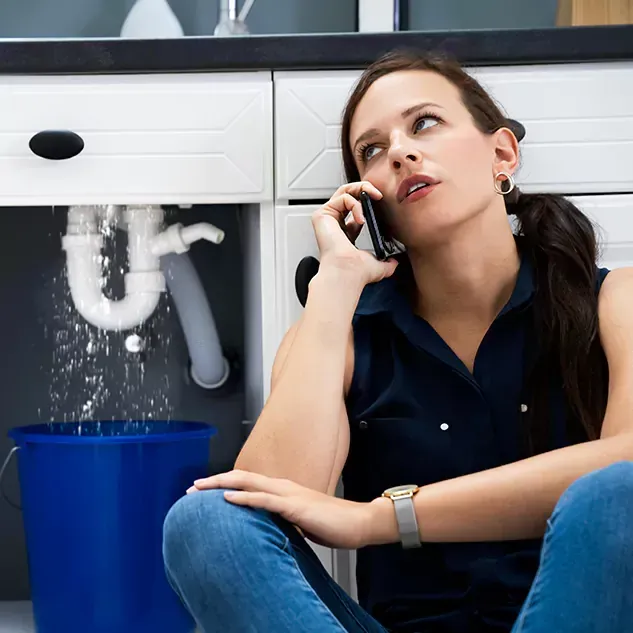
Plumbing problems can happen when you least expect them. While some issues can wait until normal business hours, others need immediate attention to prevent serious damage to your home.
Knowing the difference between a minor plumbing issue and a real emergency can help you act quickly and avoid costly repairs.
At Wanaka Plumbing & Gas, we help homeowners across Wanaka deal with urgent plumbing problems safely and efficiently.
Burst Water Pipes
A burst pipe is one of the most serious plumbing emergencies you can experience.
When a pipe bursts, water can quickly spread through walls, ceilings, flooring, and cabinetry, causing major damage in a short amount of time. It can also lead to unexpectedly high water bills if left unresolved.
Signs of a burst pipe can include:
Water stains on walls or ceilings
Sudden drops in water pressure
Unexplained puddles
The sound of running water behind walls
If you suspect a burst pipe, it’s important to shut off your water supply and contact a plumber as soon as possible.
Blocked Drains and Pipes
Blocked drains may start as a small inconvenience, but they can quickly become a larger problem if ignored.
Kitchen sinks, bathroom drains, toilets, and shower pipes can all become blocked from:
Grease and food waste
Hair buildup
Soap residue
Toilet paper
Foreign objects
Common signs of a blocked drain include:
Slow-draining sinks or showers
Gurgling noises from drains or toilets
Bad smells coming from pipes
Water backing up into sinks or showers
Puddles near plumbing fixtures
While a plunger may temporarily improve minor blockages, ongoing drainage issues usually require professional attention.
Sewer Line Problems
A damaged or overflowing sewer line can create serious health and safety concerns around your property.
Sewer issues can allow contaminated water and harmful bacteria to spread, and they often produce strong unpleasant odours.
Signs of sewer line problems may include:
Sewage smells around your property
Extra green patches in the lawn
Wet or sunken areas in the garden
Multiple blocked drains at once
Mould or dampness indoors
Because sewer problems can worsen quickly, they should always be inspected by a qualified plumber.
Step 1: Assess the Situation
The first thing to do during a plumbing emergency is identify where the problem is coming from.
If water is leaking or overflowing, turn off the main water supply to your property as soon as possible. In most homes, the shut-off valve is located near the water meter.
Stopping the water supply can help minimise further damage while you arrange repairs.
Once the water is off, assess whether the issue is minor or requires professional help. Simple problems like a loose tap fitting may be manageable temporarily, while burst pipes, major leaks, or sewer issues should always be handled by a plumber.
Step 2: Check the Plumber’s Credentials
Before hiring a plumber, it’s important to make sure they are properly licensed and insured.
You can also look at:
Online reviews
Customer feedback
Local reputation
Experience with emergency plumbing repairs
A qualified plumber should be transparent about their licensing and able to explain the repair process clearly.
Step 3: Ask the Right Questions
Before confirming a booking, it helps to ask a few important questions.
These may include:
How soon can they attend?
What type of repairs do they handle?
Will temporary repairs require follow-up work?
Can they provide an estimated cost?
Understanding the expected timeline and costs can help avoid surprises later on.
Need Help with an Urgent Plumbing Problem?
At Wanaka Plumbing & Gas, we help homeowners throughout Wanaka with burst pipes, blocked drains, sewer issues, leaks, and general plumbing repairs.
If you’re dealing with a plumbing problem that can’t wait, our experienced team can inspect the issue and provide reliable solutions to help prevent further damage to your home.